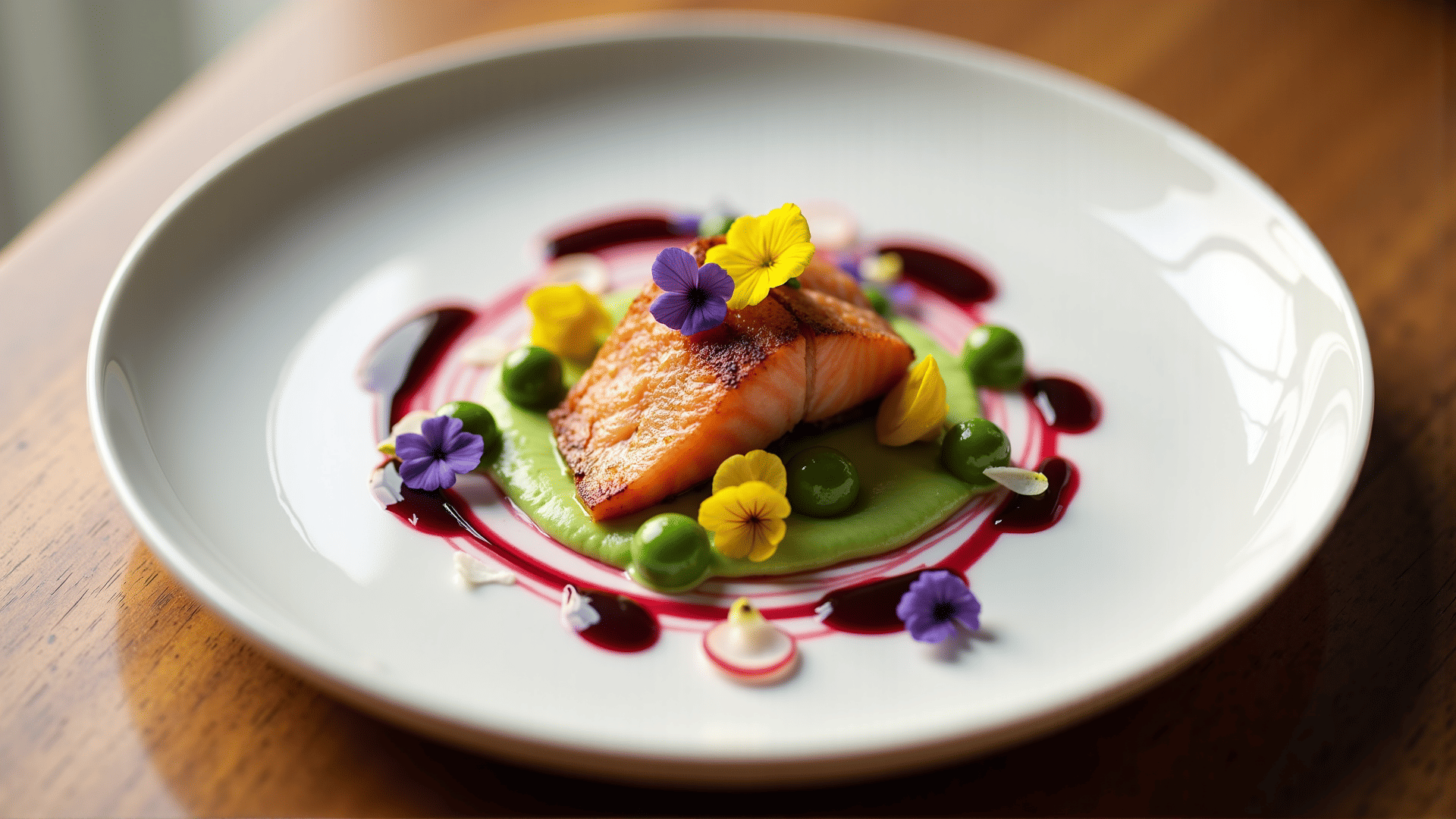
In the age of Instagram, where visuals reign supreme and the camera eats first, the art of plating has become an essential skill for anyone passionate about culinary presentation. A dish's aesthetic appeal can make the difference between being a mere culinary endeavor and a viral sensation. Here, we delve into the techniques and secrets that can transform any meal into a captivating visual feast, perfect for sharing across social media platforms.
Understanding the Canvas
Before you start plating, consider the dish as your canvas and the ingredients as your paints. The choice of plate, whether it's a minimalist white or a rustic ceramic, sets the tone for your presentation. A larger plate provides space for creativity, while smaller plates can concentrate the viewer's attention on intricate details.
Color is Key
One of the most impactful ways to enhance the visual appeal of your dish is through color. Utilize the natural hues of ingredients to create contrast and harmony. For instance, the vibrant reds of roasted tomatoes, the deep greens of fresh herbs, and the golden browns of grilled meats can create a stunning visual that draws the eye. Complementary colors can stimulate the viewer’s visual senses, while monochromatic schemes can evoke a sense of sophistication.
The Rule of Odds
Human perception is naturally drawn to symmetry and order, but when it comes to plating, embracing the rule of odds can lead to more appealing compositions. Odd numbers are often more interesting to the eye, adding a dynamic aspect to your presentation. Grouping elements in threes or fives can enhance the overall aesthetic by creating a balanced yet intriguing arrangement.
Play with Textures
Texture adds depth and interest to your dish, engaging more of the audience’s senses and encouraging them to linger on your culinary creation. Mix smooth purées with crunchy textures, like nuts or crumbly cheeses, to introduce contrast. A shiny glaze can reflect light beautifully, while a sprinkle of spices can create captivating visual details.
Consider Height and Layers
Incorporating height in your plating can add dimensionality to the dish, making it look more sophisticated. This can be achieved by stacking elements or adding garnishes on top. Layers create a journey for the eyes, encouraging viewers to explore different aspects of the dish. Just like in storytelling, every layer should contribute something unique, keeping the composition cohesive yet intriguing.
The Importance of Negative Space
Negative space, the areas of a plate that are left empty, is as important as the positive space filled with food. Effective use of negative space draws attention to the elements on the plate and adds elegance to the overall presentation. Resisting the temptation to overcrowd the plate allows each component to shine and underscores the precision and intention behind each choice.
Garnishes: More Than Just a Decoration
Garnishes should elevate your dish both visually and gastronomically. Fresh herbs, edible flowers, or even a drizzle of balsamic reduction can add a pop of color and flavor. Each garnish should contribute to the overall palette of the dish, complementing the main flavors without overpowering them.
Capturing the Moment
Once your dish has been plated, capturing it in the right light is essential for creating that Instagram-worthy shot. Natural lighting tends to produce the best results, highlighting the colors and textures without the harsh effects of artificial light. Experiment with angles to find the most flattering perspective, and don’t shy away from using tools like reflectors or diffusers to manipulate light to your advantage.
Practice Makes Perfect
The art of plating is, at its core, a practice in discipline and creativity. Like any art form, it demands patience, experimentation, and a keen eye for detail. By continuously honing your skills and staying attuned to trends in culinary presentation, you can create dishes that are not only delicious but also visually compelling.
In conclusion, transforming your meals into Instagram-worthy masterpieces is about more than just food. It's about thinking of each plate as a piece of art where color, texture, and composition come together to tell a story. So, test these techniques, let your creativity flow, and watch as your culinary creations captivate not just taste buds, but eyes and hearts as well.