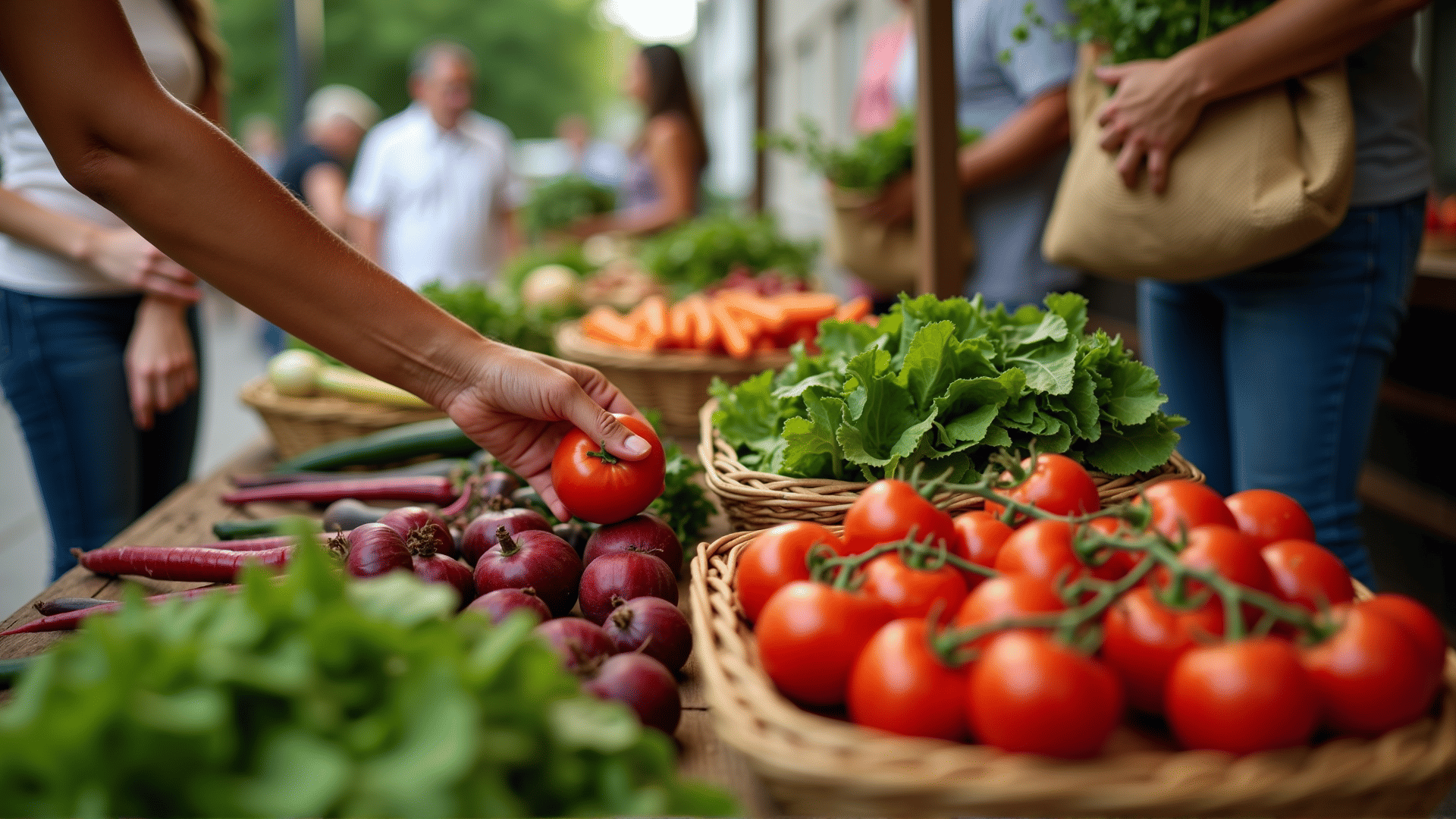
The farm-to-table movement has gained significant traction in recent years, representing a culinary philosophy deeply rooted in sustainability, community, and flavor. By prioritizing the sourcing of local ingredients, chefs and home cooks alike are discovering not only a richer taste but also contributing to a more sustainable and resilient food system.
One of the most compelling reasons to embrace farm-to-table practices is the enhancement of flavor in dishes. Locally sourced ingredients are often fresher and harvested at their peak ripeness, which translates into more vibrant and robust flavors. Fruits and vegetables that are picked and consumed shortly after harvest maintain their natural sugars and nutrients, offering a dining experience that is both delicious and nourishing. In contrast, produce that travels long distances can lose flavor and nutritional value during transportation and storage.
Moreover, sourcing ingredients locally allows chefs to create menus that reflect the seasons and the unique agricultural identity of their region. Seasonal menus not only provide diners with an ever-changing and exciting array of dishes, but they also ensure that the ingredients are used when they are at their best. This seasonal connection to food fosters a deeper appreciation and understanding of the natural cycles of our environment.
Beyond flavor, the farm-to-table approach plays a vital role in promoting sustainability. By reducing the distance food travels from farm to plate, this practice significantly lowers the carbon footprint of meals. Transporting food over long distances generates a considerable amount of greenhouse gas emissions, contributing to climate change. When local farms supply the ingredients, these emissions can be drastically minimized.
Supporting local agriculture also promotes biodiversity. Small-scale farmers often grow a diverse range of crops, as opposed to the monoculture practices common in industrial agriculture. This diversity helps maintain healthy ecosystems and ensures the resilience of food systems against pests, diseases, and climate fluctuations. Additionally, purchasing from local farms supports the regional economy, helping to keep small farms in business and strengthen community ties.
Consumers who commit to sourcing local ingredients are making a statement of value beyond the plate. They are choosing to support ethical practices and sustainable agriculture, thereby encouraging a food system that respects both the environment and the labor behind the produce. This is an invaluable message to convey in an era where consumers are increasingly concerned about the origins and impacts of their food.
For those new to the concept, embracing farm-to-table practices might begin with simple steps such as visiting a local farmer’s market or joining a community-supported agriculture (CSA) program. These options offer not only quality ingredients but also opportunities to connect with the people who grow your food, providing insight into the hard work and care invested into each crop.
In conclusion, the farm-to-table movement is much more than a trend—it is a return to a way of eating that respects both our health and the health of our planet. By sourcing local ingredients, we can enjoy meals that are infinitely more flavorful and nutritious while making sustainable choices that benefit our communities and the environment. The movement encourages us to celebrate the relationship between food and place, ultimately leading to a richer culinary experience and a more sustainable future.